
Art Box portal //
Right in the heart of Manhattan, the Museum of Modern Art (MoMA) stands as a beacon of modern and contemporary art. It’s no surprise that MoMA is one of the top reasons people flock to New York, and it was exactly this pull that brought the Art Box editorial team to the city. Experiencing the museum firsthand meant engaging with works that shaped the course of modern art, from Picasso’s Les Demoiselles d’Avignon to Warhol’s Campbell’s Soup Cans, and everything in between.
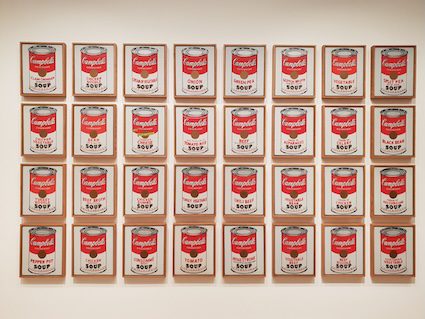
Visiting MoMA isn’t just about seeing art; it’s about understanding the conversations, histories, and experiments that continue to influence artists and audiences worldwide. For us, walking through its galleries was both a professional exploration and a reminder of why New York remains a vital hub for contemporary creativity.
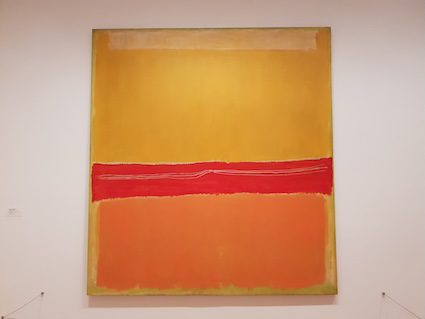
Founded in 1929 at the initiative of Abby Rockefeller, wife of John D. Rockefeller Jr., MoMA was conceived as an exclusive space dedicated to modern art. Its first exhibition showcased works by Cézanne, Van Gogh, Seurat, and Gauguin, while Pablo Picasso retrospectives in the 1930s and 1940s solidified the museum’s global reputation, establishing Picasso as one of the most influential artists of his era. In 1941, MoMA hosted the groundbreaking exhibition Indian Art of the United States, reshaping perceptions of Native American art.
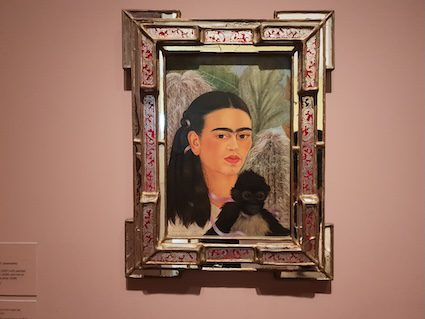
Today, its collection is vast and multidisciplinary: painting, sculpture, drawing, prints, photography, architecture, design, film, and electronic media coexist under one roof, complemented by a library of over 300,000 books, periodicals, and artists’ archives.
In the 21st century, MoMA underwent extensive renovation and expansion, reopening in 2004 with modern, interactive galleries, digital guides, virtual tours, and a museum shop, offering visitors not just exhibitions but a fully contextualized and immersive art experience.
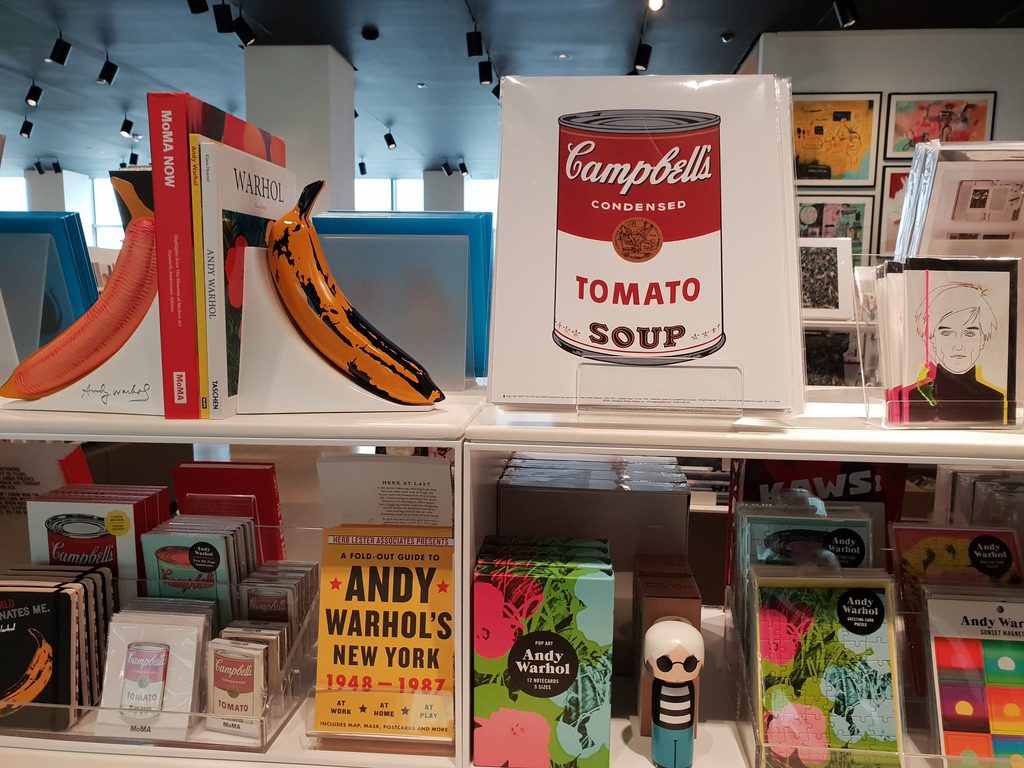
MoMA is organized into six curatorial departments: Architecture and Design, Drawings and Prints, Film, Media and Performance, Painting and Sculpture, and Photography. Its holdings include over 150,000 artworks, roughly 22,000 films, and 4 million film stills, featuring iconic works such as Picasso (Les Demoiselles d’Avignon, Three Musicians, Boy Leading a Horse), Van Gogh (The Starry Night, The Olive Trees with the Alpilles in the Background), Matisse (The Dance, L’Atelier Rouge, View of Notre-Dame), Henri Rousseau (The Sleeping Gypsy, The Dream), Boccioni (Dynamism of a Soccer Player, The City Rises), Claude Monet (Water Lilies triptych), de Chirico (The Song of Love), Cézanne (The Bather), Gauguin (Te aa no areois), as well as works by Francis Bacon, Salvador Dalí, Richard Hunt, Jasper Johns, Frida Kahlo, Roy Lichtenstein, René Magritte, Kazimir Malevich, Piet Mondrian (Broadway Boogie-Woogie), and Andy Warhol (Campbell’s Soup Cans), alongside hundreds of other European and American artists shaping modern artistic thought.
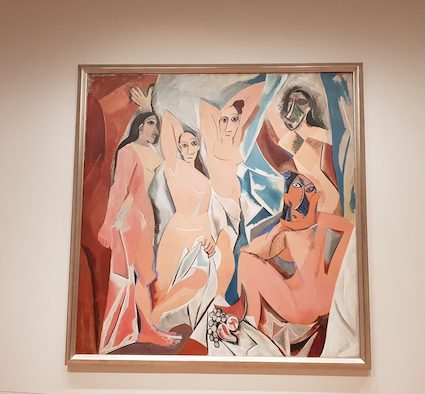
MoMA is not just a collection of artworks – it is an institution articulating contemporary approaches to visual culture, education, and research. Visitors can explore exhibitions through digital and interactive programs, participate in workshops, and visit the museum shop, extending the MoMA experience beyond the galleries. Welcoming over two million visitors annually, MoMA remains an essential destination for anyone seeking to understand and engage with modern and contemporary art in all its breadth and complexity.
Leave a Reply