
Written by Ljiljana Maletin Vojvodić //
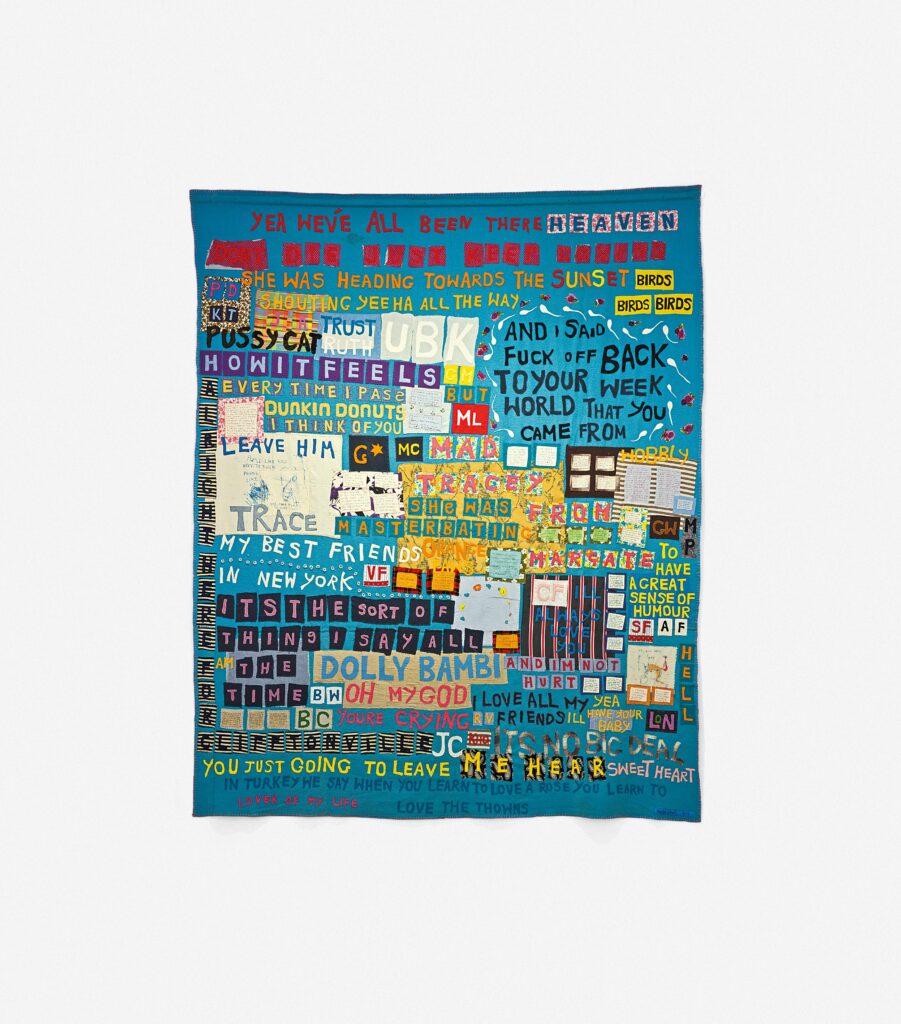
If you happen to be in London this spring or summer, Tracey Emin: A Second Life at Tate Modern is not to be missed. Running from 27 February to 31 August 2026, this major retrospective of Tracey Emin brings together more than four decades of artistic practice, spanning painting, video, textiles, neon works, sculpture and autobiographical writing. Alongside some of her best-known works, the exhibition also includes pieces that have never previously been shown to the public.
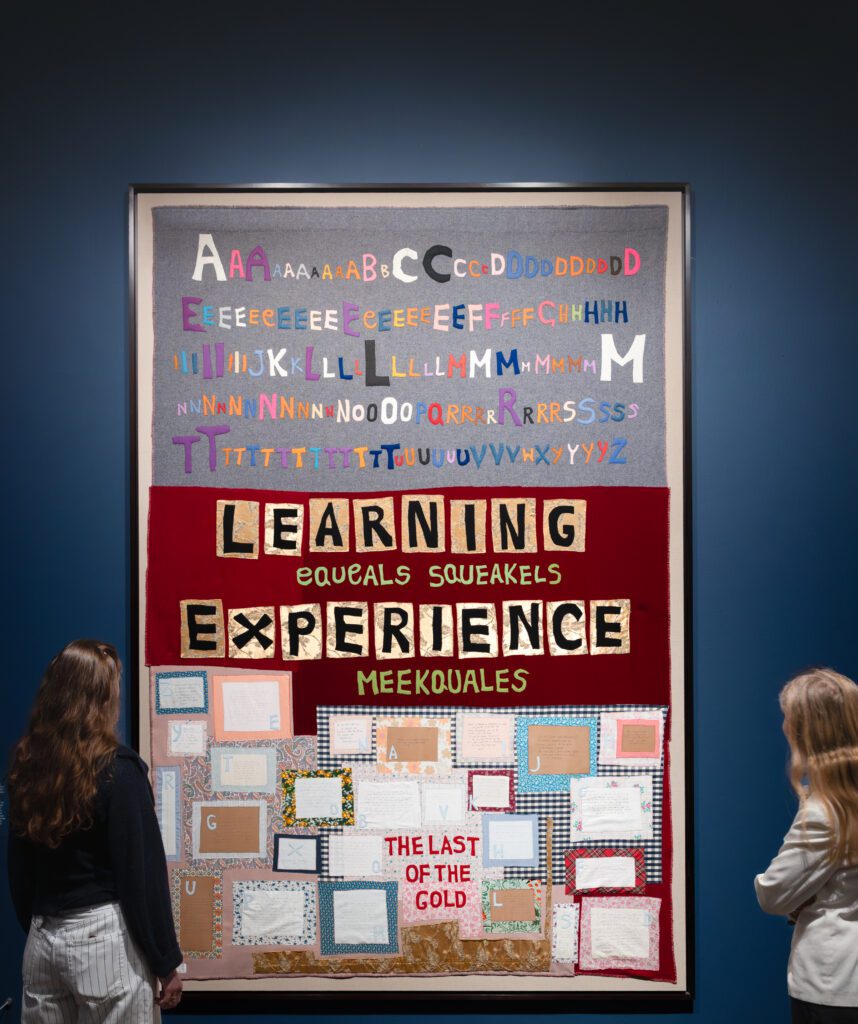
Emin first came to prominence in the 1990s as part of the influential Young British Artists (YBAs), the generation that reshaped the British art scene.
Her confessional, emotionally direct, and uncompromising approach quickly drew international attention, particularly through works such as My Bed and Everyone I Have Ever Slept With 1963–1995.
Together with her Turner Prize nomination, these works positioned her as one of the most distinctive voices in contemporary British art.
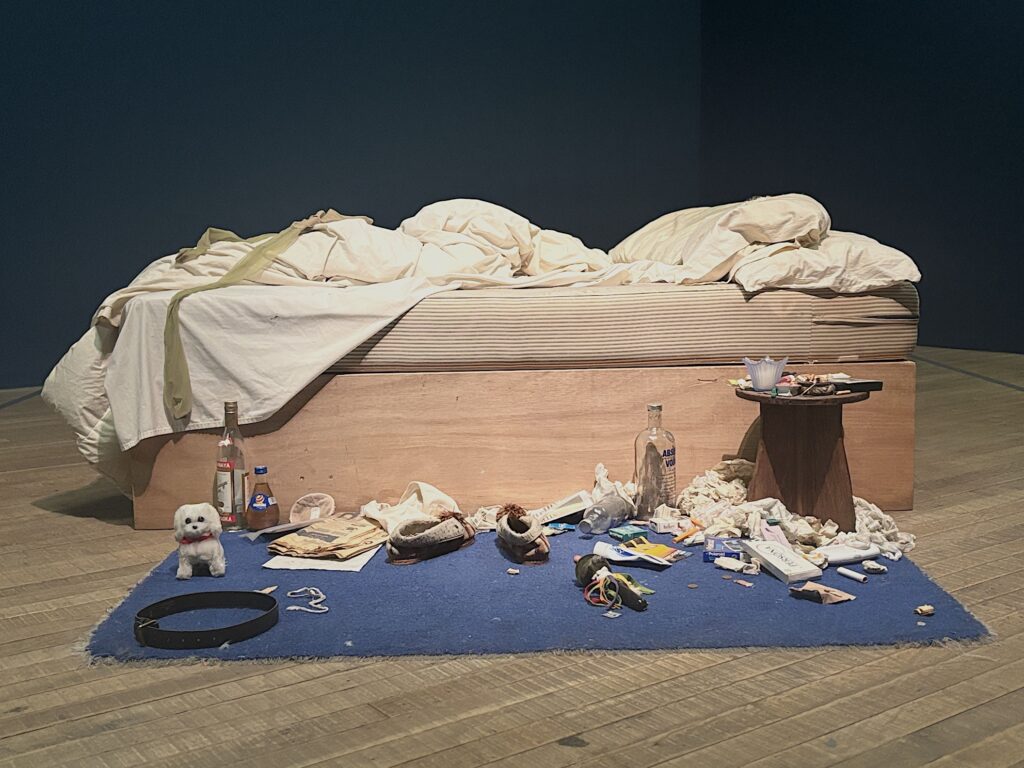
A Second Life not only revisits Emin’s iconic works but also traces the evolution of her artistic language and personal life over the years.
The exhibition features recent paintings, sculptures, and installations shaped by profound personal experiences and serious illness.
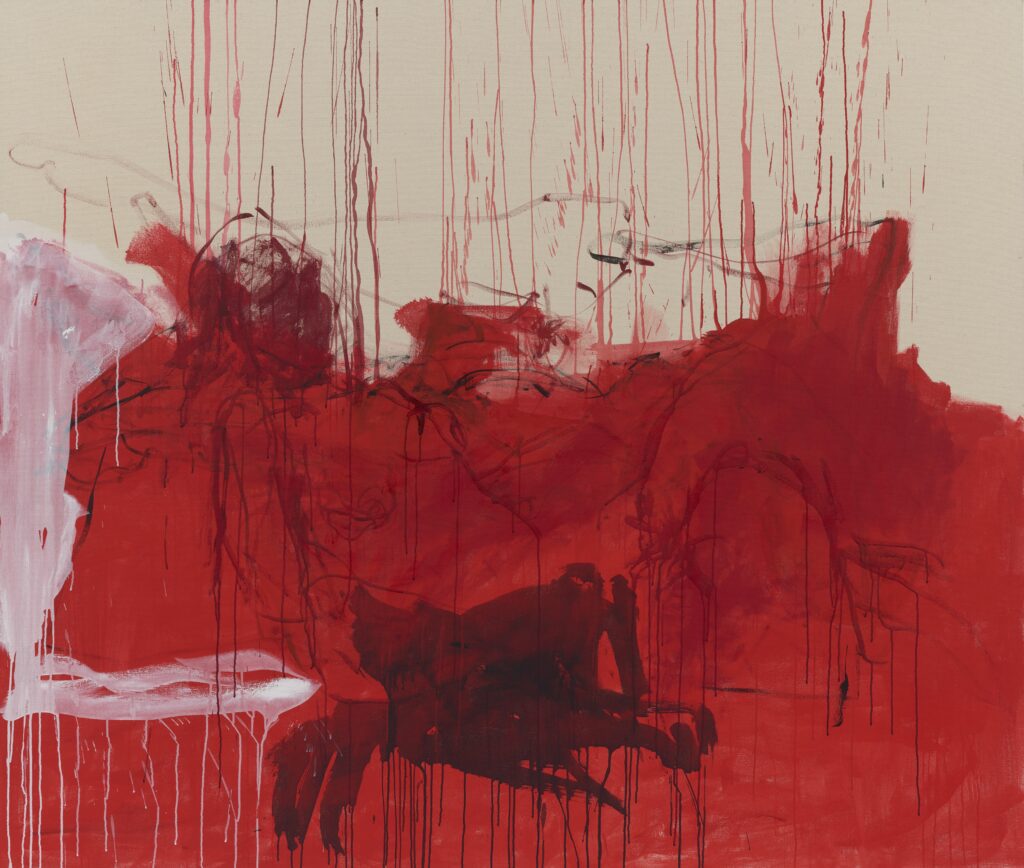
The body and intimate experience have always been central to Emin’s practice, but her recent works reveal with particular intensity the extent to which traumatic life experiences have informed her artistic expression.
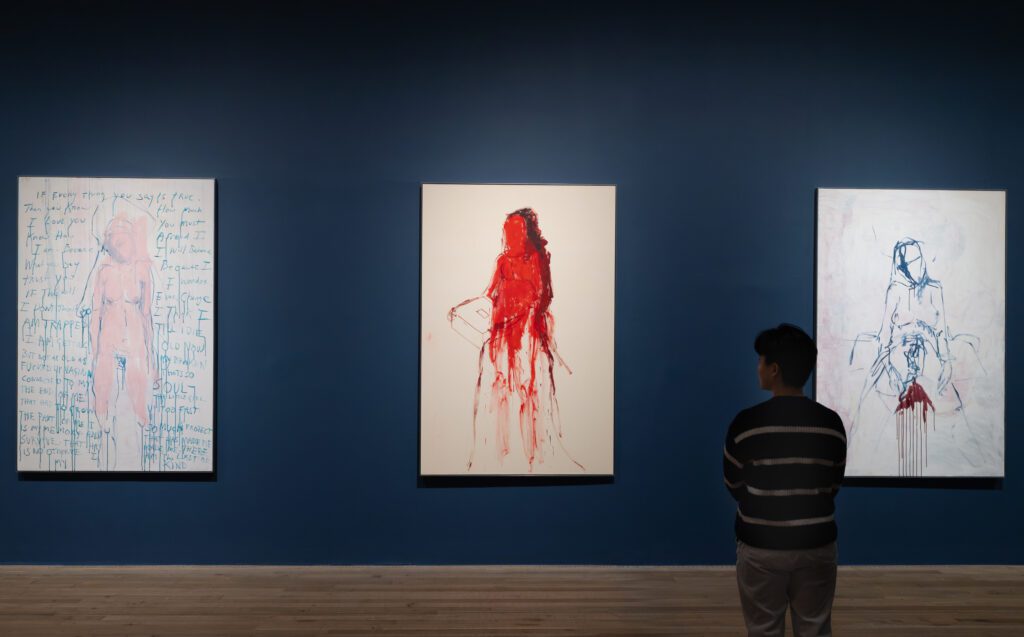
Taken as a whole, the exhibition operates not simply as a retrospective but as a deeply personal testimony in which life itself becomes material for art. Emin persistently dissolves the boundary between the intimate and the public, and it is precisely within this raw, unresolved honesty that the exhibition finds both its strength and, for some viewers, its discomfort.
The editorial team of the Art Box portal would like to thank Tate Modern for the opportunity to experience the exhibition in person, as well as for providing the accompanying photographs.
Leave a Reply