
Art Box Portal //
The curatorial concept of the Central Exhibition of the 61st Venice Art Biennale, In Minor Keys, developed by Koyo Kouoh (1967–2025), the first curator of African origin to hold this position, is inspired by Gabriel García Márquez’s One Hundred Years of Solitude and Toni Morrison’s Beloved, the first African American woman to be awarded the Nobel Prize in Literature.
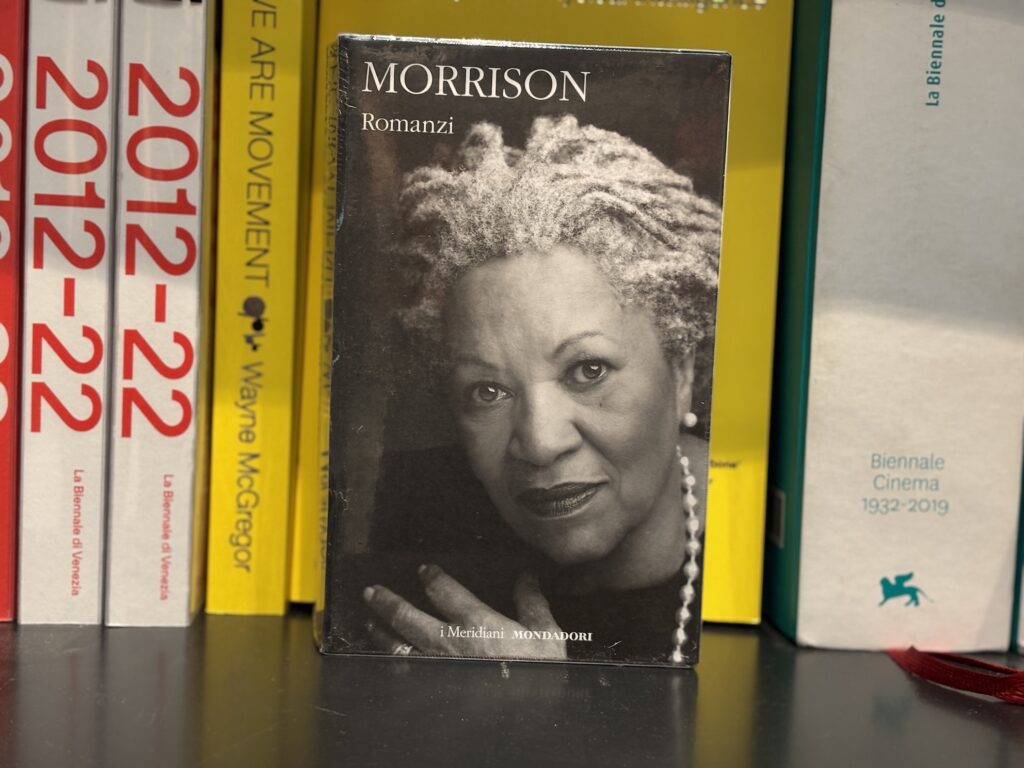
Both novels — Beloved and One Hundred Years of Solitude — foreground historically marginalised Afro-American and Latin American perspectives, constructing worlds in which history and trauma persist as a constant, almost silent resonance. In this sense, the curatorial framework In Minor Keys draws a parallel between literary and musical structures: just as a minor key need not be loud to be emotionally powerful, artistic work need not be monumental in scale to produce an intense affective experience.
Toni Morrison, author of eleven novels, began her literary career in 1970. Beloved (1987), which won the Pulitzer Prize for Fiction, tells the story of an escaped formerly enslaved woman confronting the enduring trauma of her past, and remains Morrison’s most celebrated and influential novel. The book was adapted into a film in 1998, starring Oprah Winfrey in the lead role.
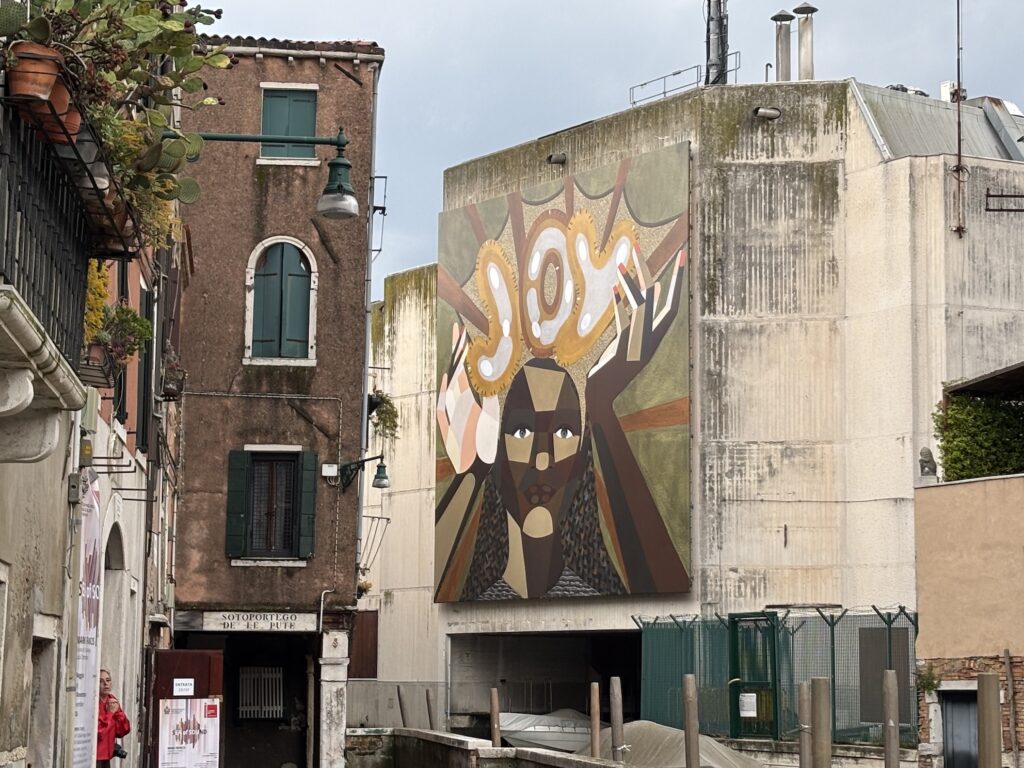
As a professor, editor, and writer, Morrison placed African American experience — and especially Black female experience — at the centre of her work, and her position in American literature is widely recognised not only for its literary achievement but also for its lasting intellectual impact on questions of identity and representation.
In public and cultural discourse, Morrison remains a key figure in the discussion of the so-called white gaze, a sociological and cultural concept describing the tendency to perceive, interpret, and evaluate the world through a predominantly white perspective, in which white culture and experience are treated as the implicit standard of what is legible, valuable, or legitimate.
Morrison argued that literature is often shaped by the assumption of a white reader, a condition that limits the complexity and depth of narratives about people of colour. Over time, the concept has extended beyond literary theory into everyday life, describing situations in which white standards of beauty, value, and behaviour are positioned as universal norms.
Within the framework of the 61st Biennale, Beloved is thus read as a theoretical lens for understanding artistic practices that engage with identity, origin, the boundaries of memory, and the afterlives of colonial and historical violence — as well as how these continue to surface within contemporary experience.
Leave a Reply