
Ljiljana Maletin Vojvodić //
Following a three-day opening marked by protests, political tensions, and the first cultural strike in the 131-year history of the Biennale, the 61st Venice Biennale has officially opened to the public today. Taking place across the Giardini, the Arsenale, and numerous venues throughout Venice, the exhibition will run until 22 November 2026.
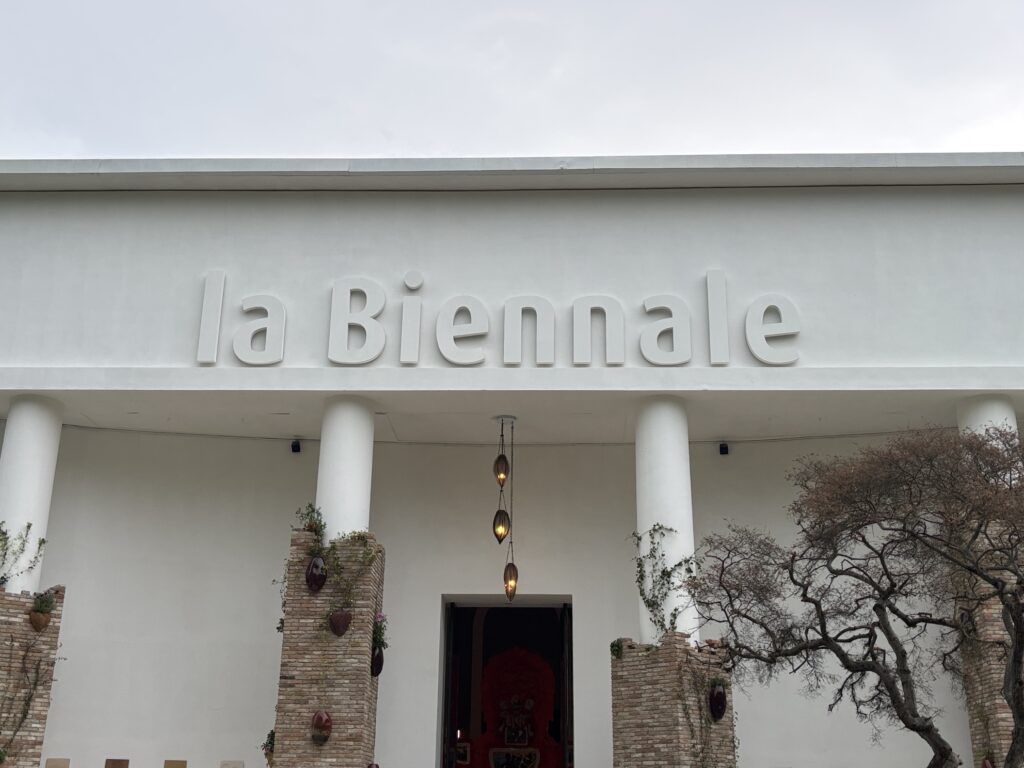
At the 61st Biennale, 100 national pavilions and 110 artists, collectives, and artistic organizations from around the world are being presented. Due to the collective resignation of the international jury, this year there will be no traditional awarding of the Golden and Silver Lions. Instead, for the first time, the public will decide on the awards, and the results will be announced at the conclusion of the Biennale in November.
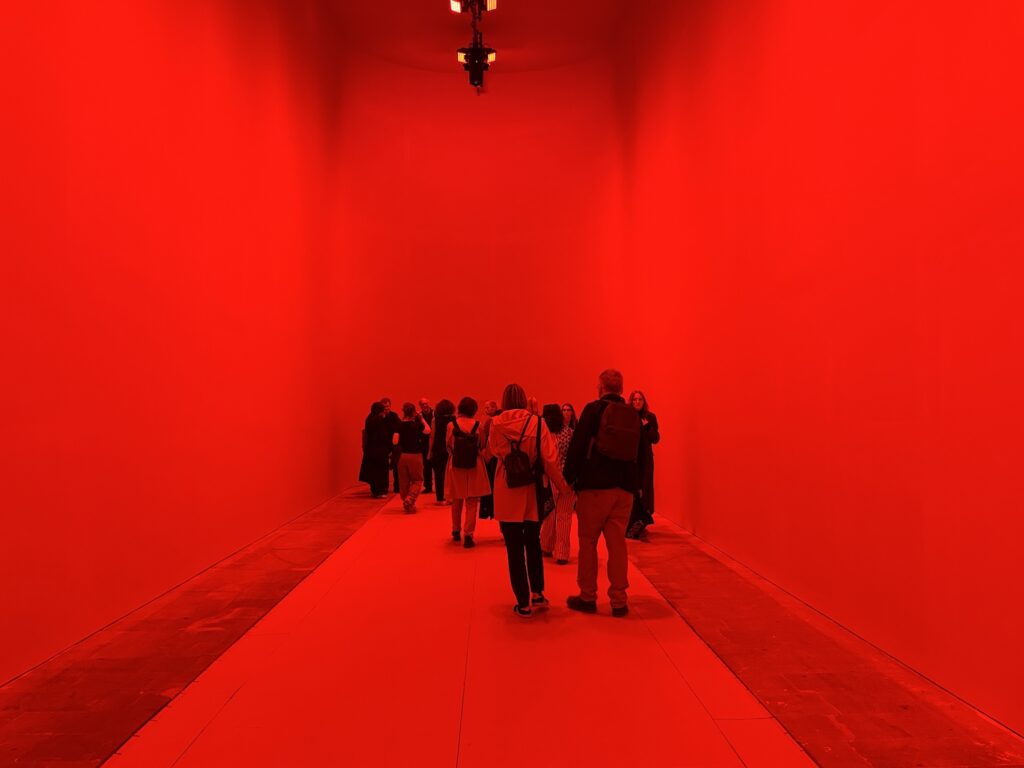
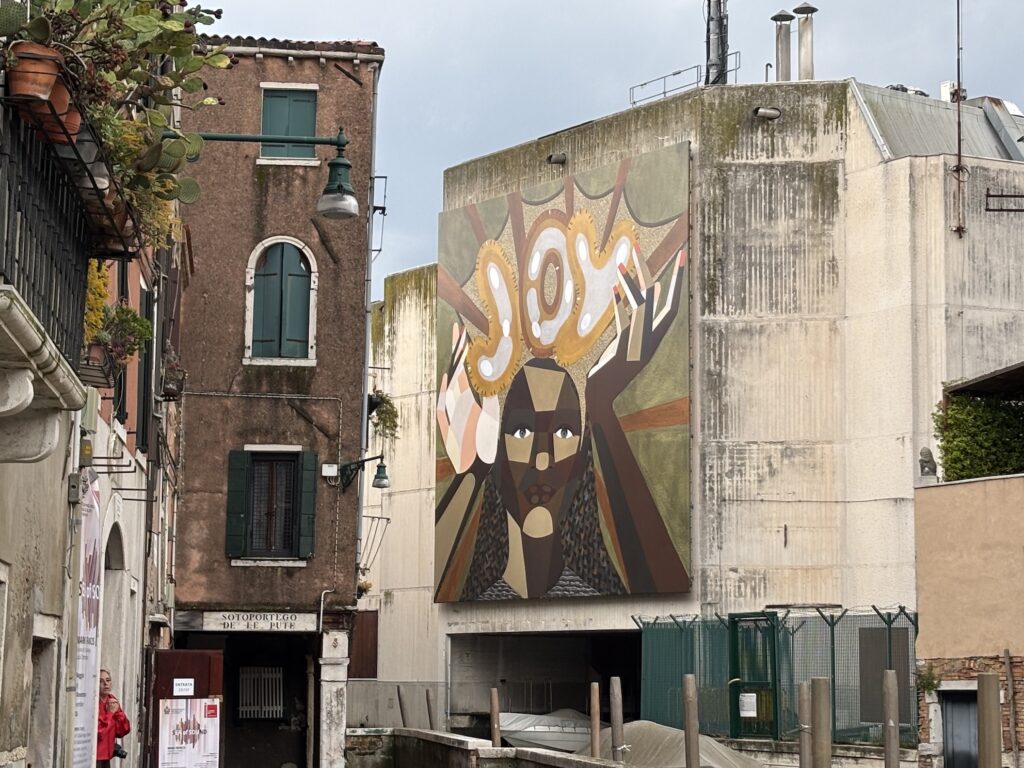
This year’s edition is taking place without the chief curator Kojo Kouoh, the first African woman ever selected for this role in the history of the Biennale, who passed away shortly before presenting her concept In Minor Keys. The organizers have decided to realize the exhibition according to her original plan, marking another first in Biennale history as a posthumous curatorial edition. Across the exhibition, several works appear that directly or indirectly pay tribute to her, including a mural by American artist Derrick Adams, installed near the entrance to the Arsenale.
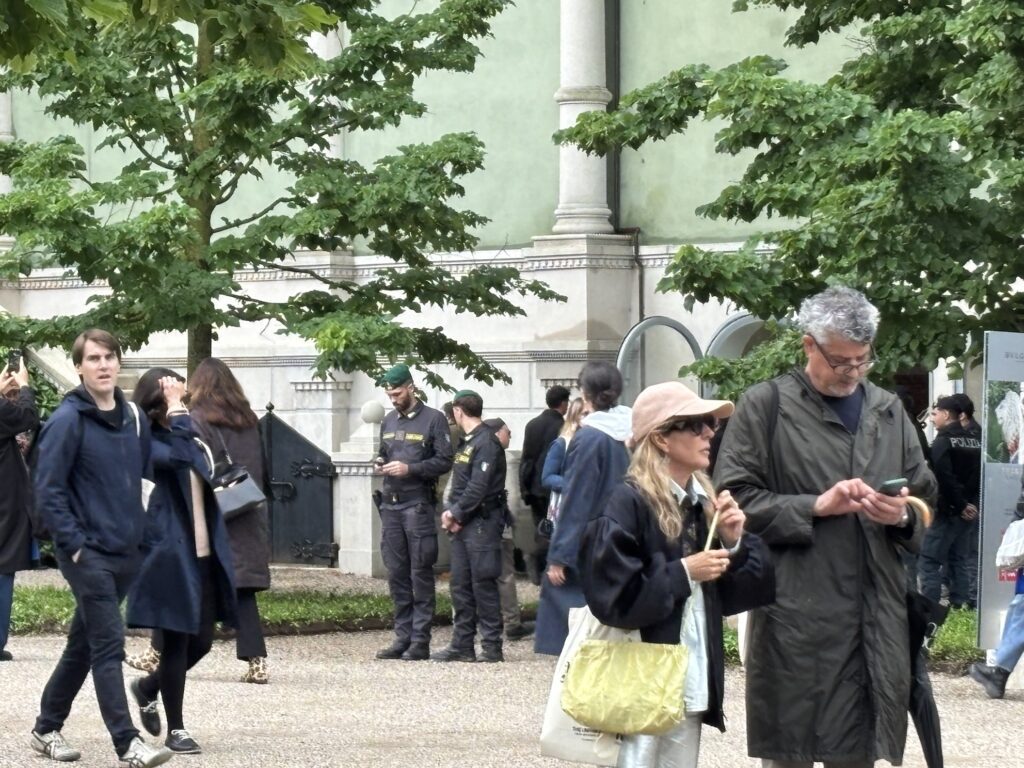
The opening days of the vernissage were marked by protests against Israeli policy and the war in Gaza, while members of the Pussy Riot and FEMEN groups simultaneously staged demonstrations outside the Russian Pavilion.

Following pressure and the collective resignation of the international jury, the Italian Ministry of Culture announced that the Russian Pavilion would not be open to the public after the official opening on 9 May, although the artworks will remain visible through the windows. The Ukrainian Minister of Culture described the closure of the Russian Pavilion as an “important step,” while also noting that Russia’s symbolic presence continues to have a strong impact.
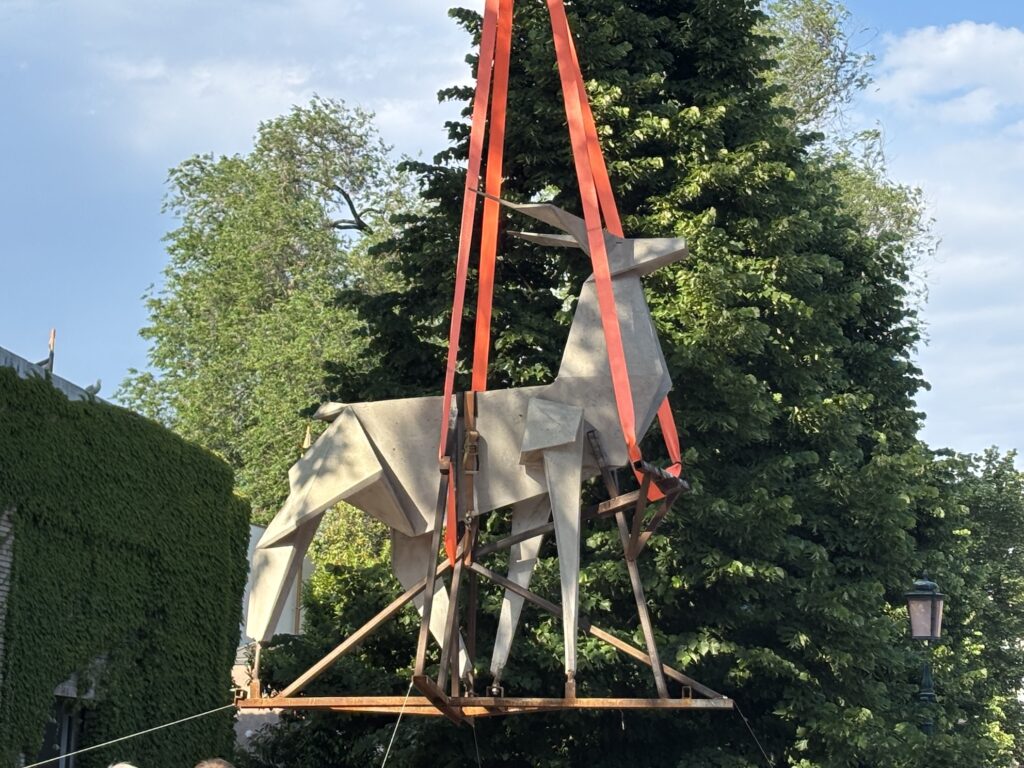
Across Venice, posters have been installed advertising imaginary events featuring Ukrainian artists and authors who were killed during the war. Immediately next to the main entrance to the Giardini, an origami deer sculpture by a Ukrainian artist has also been installed, cast in concrete.
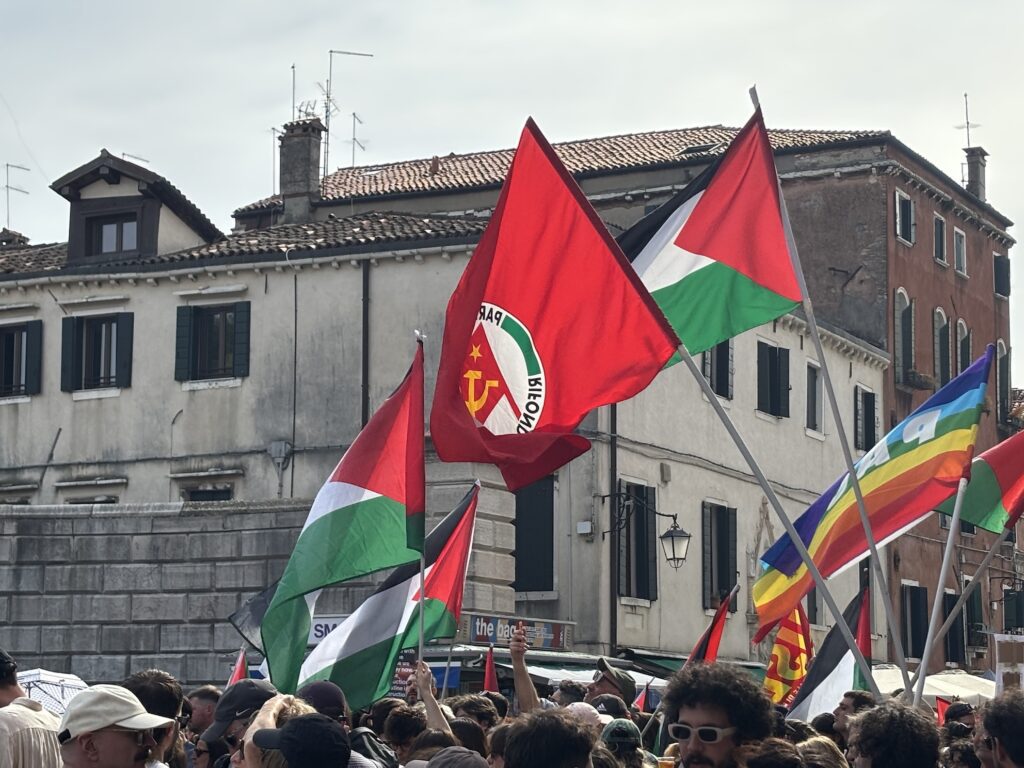
The third day of the vernissage at the 61st Venice Biennale in Venice was marked by demonstrators marching along Garibaldi Street, as well as the first cultural strike in the 131-year history of the Venice Biennale.
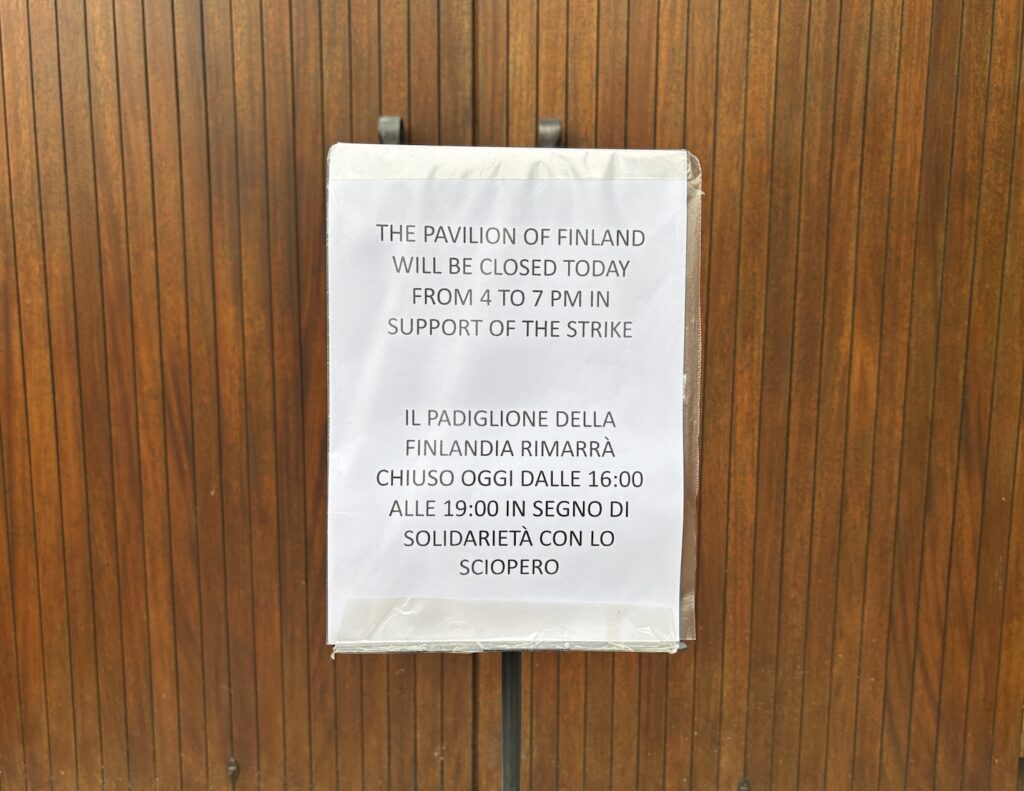
At least 27 national pavilions were partially or fully closed on 8 May, while some artists covered or altered their works within the main exhibition In Minor Keys.
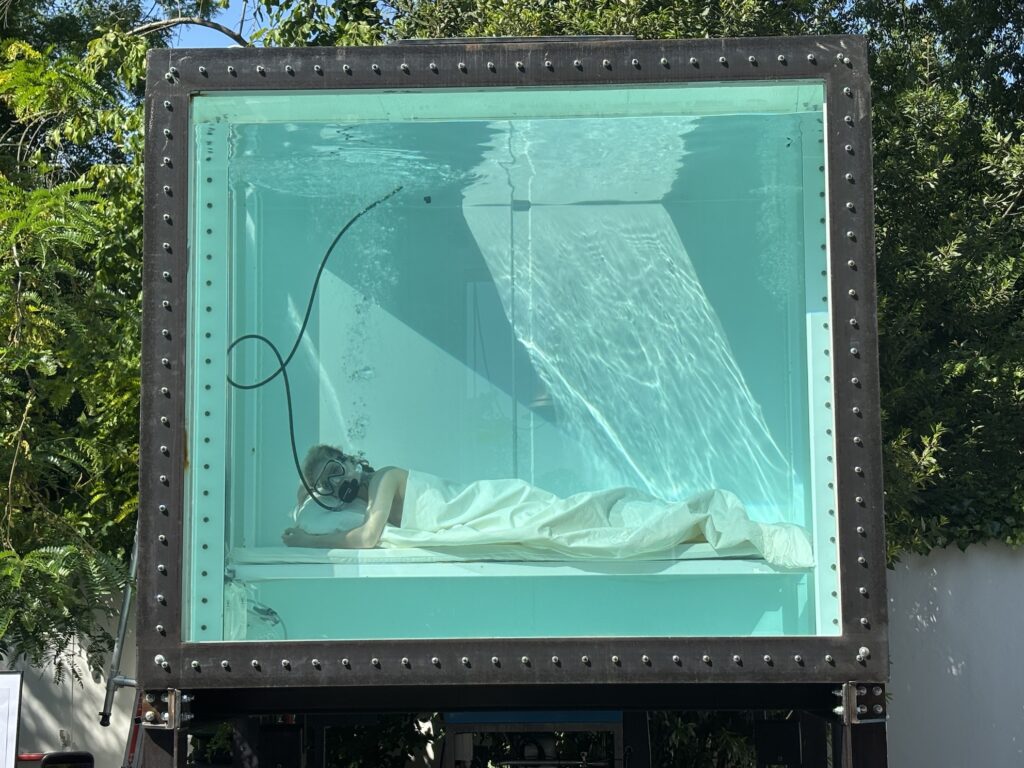
The longest queues formed outside the Austrian Pavilion, which also joined the strike, featuring Florentina Holzinger’s work Seaworld Venice. In this performance, which includes the artist and 14 additional performers, an action is carried out every hour in which the artist hangs upside down inside a bell in front of the pavilion. Inside the space are water-based installations, including a jet ski performance, as well as a tank in which a performer is submerged in a fluid made of purified urine.
In Serbian public discourse, the selection of the national representative has sparked discontent among a significant part of the professional art scene, primarily due to the selection procedure itself and the position of the chosen artist within the contemporary international art landscape. Since selected artists and curators are expected, according to the call criteria, to have notable activity presented in relevant national, regional, and international museums, contemporary art centers, and major exhibitions, part of the professional public has assessed that the artistic practice of the selected Predrag Đaković is not sufficiently relevant “even on a local level, let alone internationally,” and that “an artist has been chosen whose work can hardly be placed within a recognizable language of contemporary art.”
On the other hand, the Serbian Pavilion was opened on the final day of the vernissage by Serbia’s Minister of Culture, Selaković, who stated that “criticism and hate speech are proof of the importance of the exhibition.”
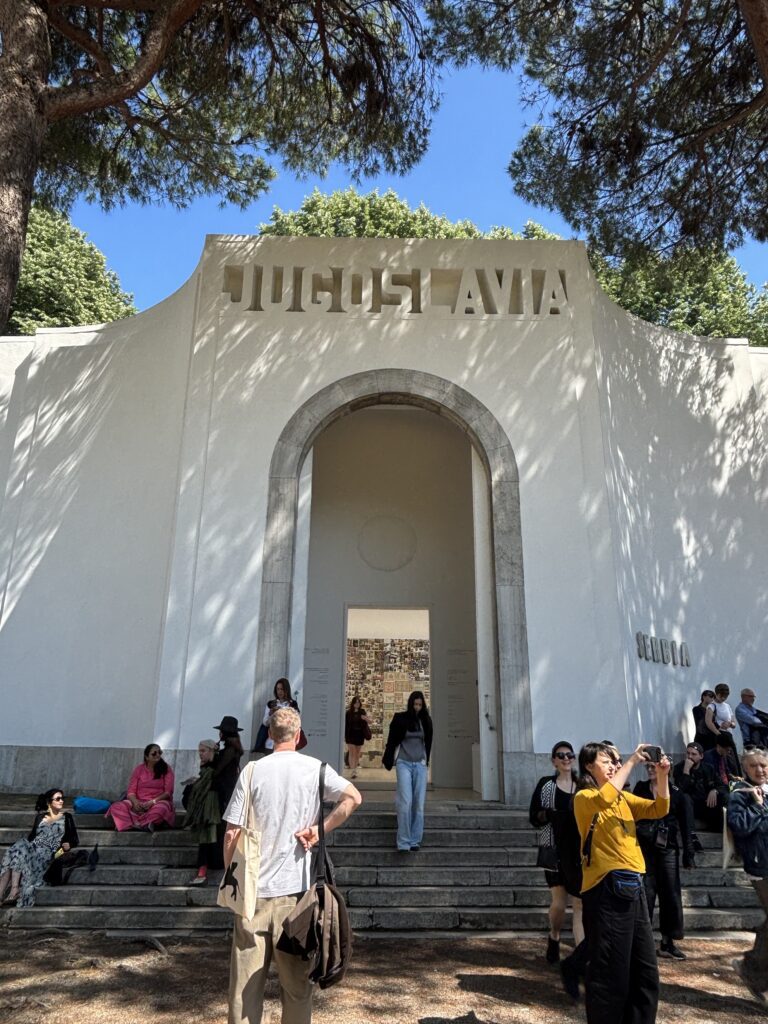
If we look at the region, controversies are also present regarding Croatia’s participation at the 61st Venice Biennale, as the selection of the Croatian representative sparked strong reactions from part of the professional art community and raised questions about political influence on decisions related to the national presentation at the Biennale. According to Croatian media reports, the selection committee allegedly unanimously supported Stipan Tadić’s project, while the Minister decided that Croatia would be represented by Dubravka Lošić, creating a precedent as “the decision carries political rather than professional legitimacy.”
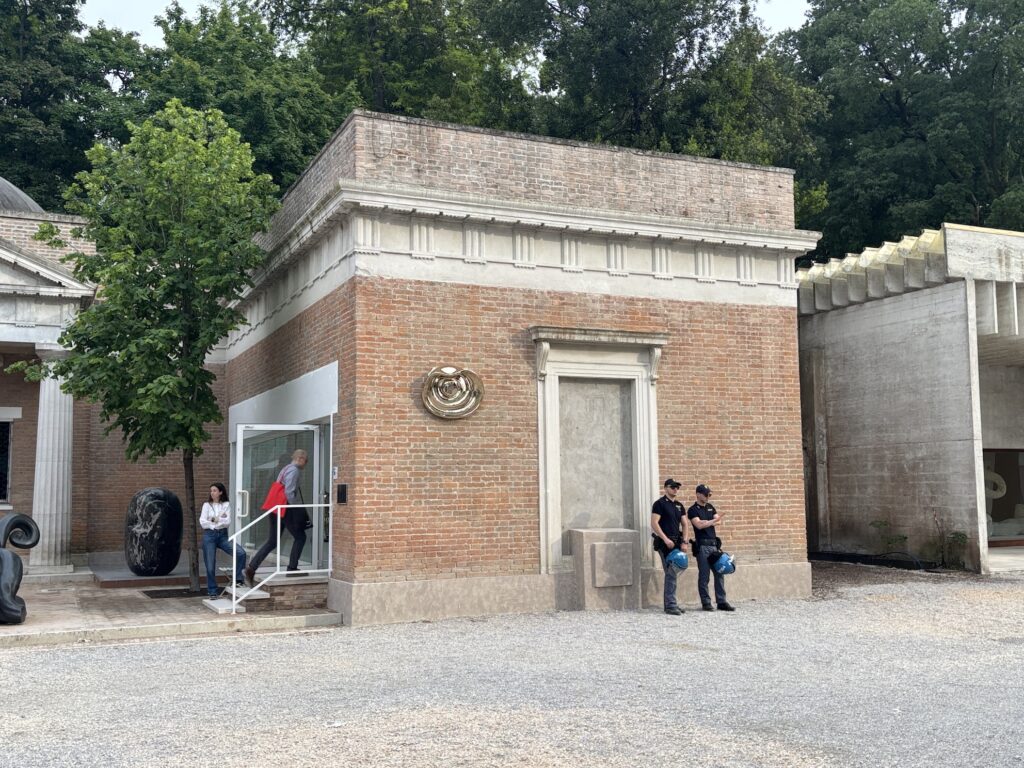
The American Pavilion was also widely discussed ahead of the opening, as the United States is presenting Alma Allen with the exhibition Call Me the Breeze, a self-taught American sculptor who has so far had a relatively limited presence within major museum and institutional circuits compared to previous representatives of the American Pavilion. His selection has also led to differing interpretations within professional circles, as it is linked to the organizational and institutional framework of the pavilion, which some sources associate with the cultural policy of the Donald Trump administration and its emphasis on “American excellence” and “American values.”
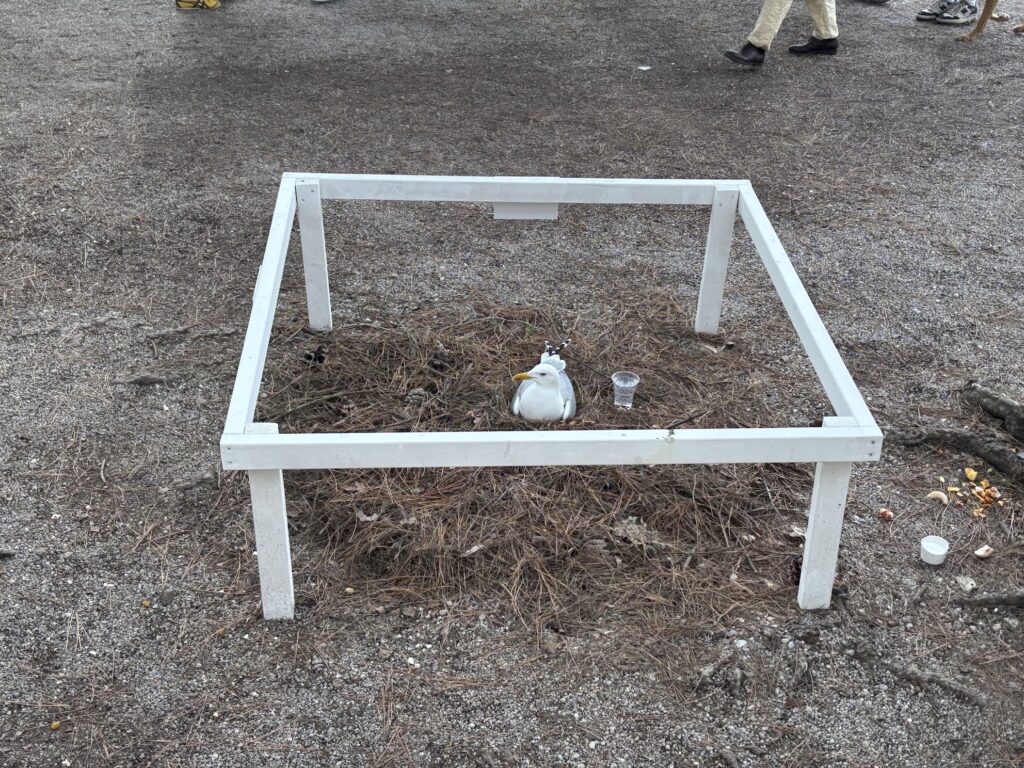
An unexpected symbol of the vernissage also emerged — a seagull that built a nest in front of the Polish Pavilion, leading many visitors to assume it was an art installation.
Leave a Reply