
By Art Portal //
White Cube Bermondsey is hosting one of the most significant and emotionally charged exhibitions of the decade. Running from June 10 to August 30, 2026, the solo exhibition Back Again presents the final creative chapter of Georg Baselitz (1938–2026), the legendary pioneer of German Neo-Expressionism who passed away earlier this spring.
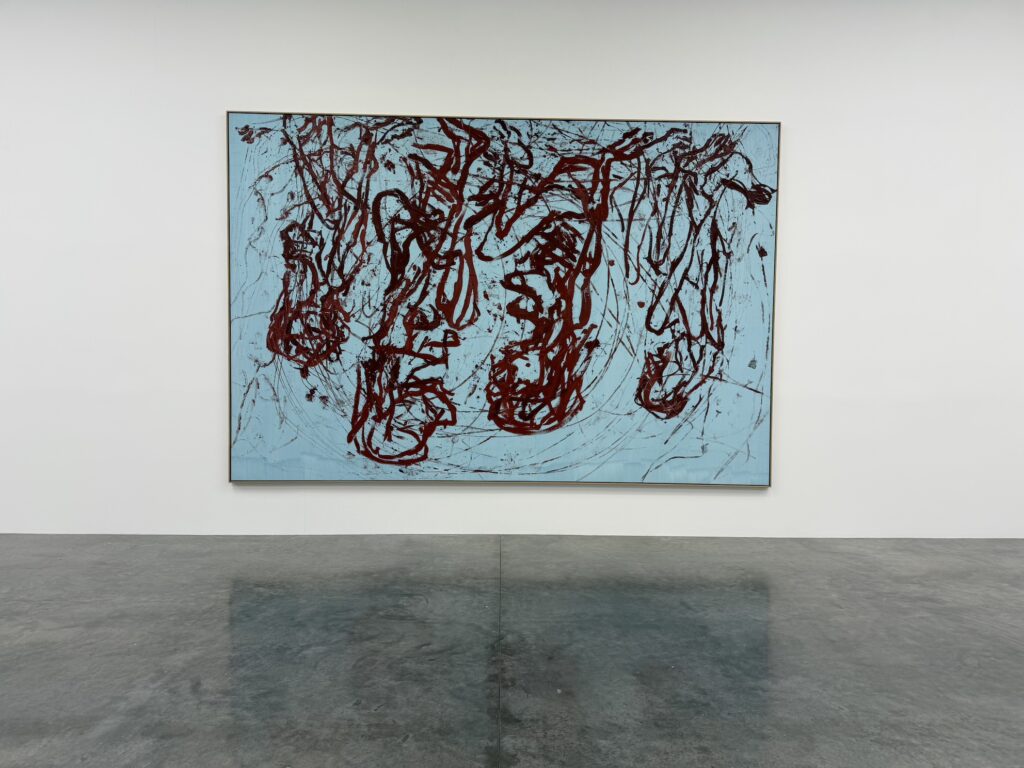
Conceived by the artist himself in his final months, the exhibition serves as a poignant farewell, capping off a revolutionary career that spanned more than sixty years.
The title of the exhibition, borrowed from one of Baselitz’s final paintings, is a literal and metaphorical return. In these monumental new works on canvas and paper, the master painter revisits the foundational motifs that defined his artistic universe: the eagle, the tragic Hero figure, and his lifelong muse and wife, Elke Kretzschmar.
‘We, Elke and I, are our own analysts. Our never-ending conversation about the past is reminiscent of two old apes picking the fleas from each other’s fur, Elke says“. (Georg Baselitz, 2014).
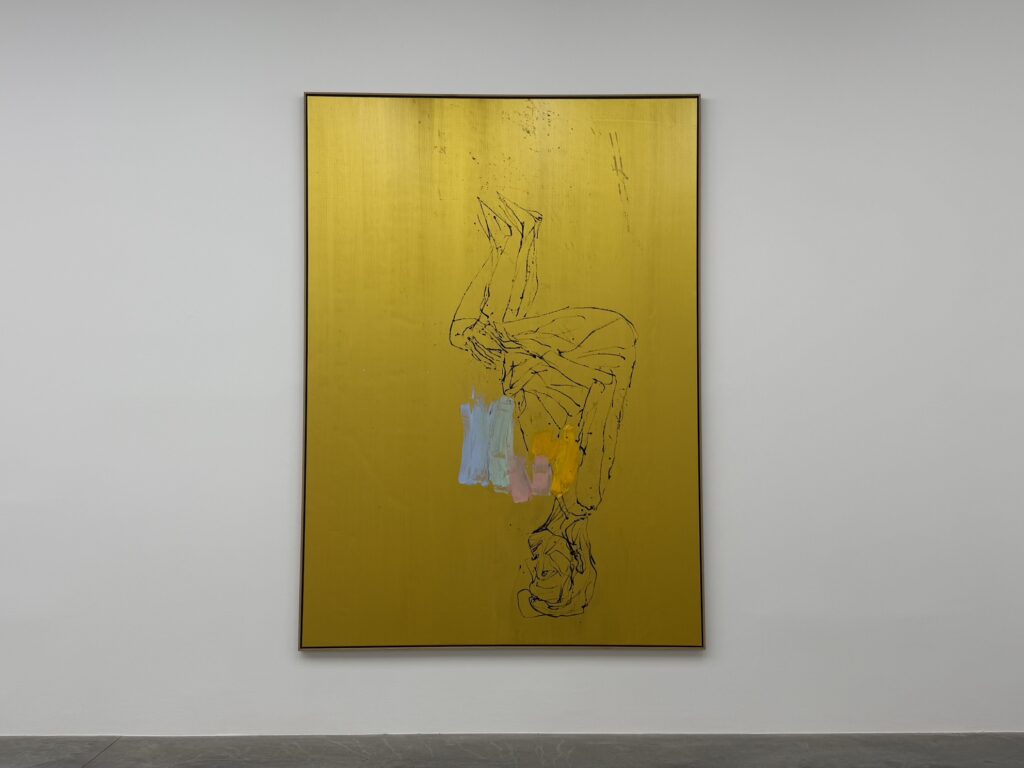
Confronting the realities of aging and human mortality, these late works showcase figures that appear structurally fragile yet spiritually defiant. Rendered with loose, ethereal, and powerful strokes, the canvases strip away the heavy density of his earlier years, leaving behind a distilled, hauntingly beautiful reflection on a life dedicated to art.
While Back Again marks the end of an era, it also celebrates a historic, decades-long relationship between the artist and White Cube gallery. Over the years, this collaboration produced several landmark exhibitions that challenged how contemporary audiences view the canvas: A Confession of My Sins (2024 – Bermondsey), Sofabilder / Sofa Pictures (2022 – Hong Kong), Darkness Goldness (2020 – Mason’s Yard), Mrs Lenin and the Nightingale (2009 – Mason’s Yard).
Georg Baselitz
Georg Baselitz was born Hans-Georg Kern in 1938 in Deutschbaselitz, Saxony, an area that later became the German Democratic Republic, or DDR. In 1957, after his second term studying painting at the Academy of Fine and Applied Arts in East Berlin, he was sent down for ‘political immaturity’. Later that year, he moved to West Berlin’s Academy of Art, completing his studies there in 1962. It was during this period that he adopted the surname Baselitz, after his birthplace.
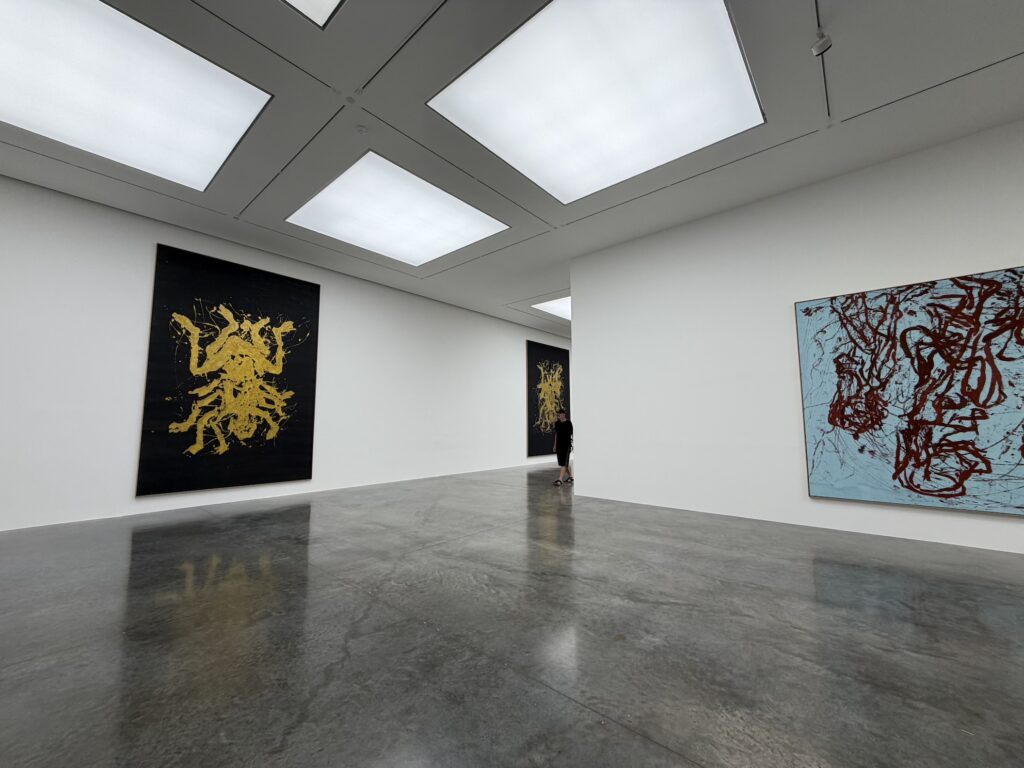
Turning the World Upside Down
For casual internet browsers and seasoned art collectors alike, Baselitz will always be remembered for his radical choice to paint his subjects upside down—a technique fully realized in his White Cube history. By inverting the image, Baselitz successfully liberated painting from the constraints of narrative and folklore. He forced viewers to stop looking at what was painted, and instead focus entirely on the raw power of color, form, and texture.
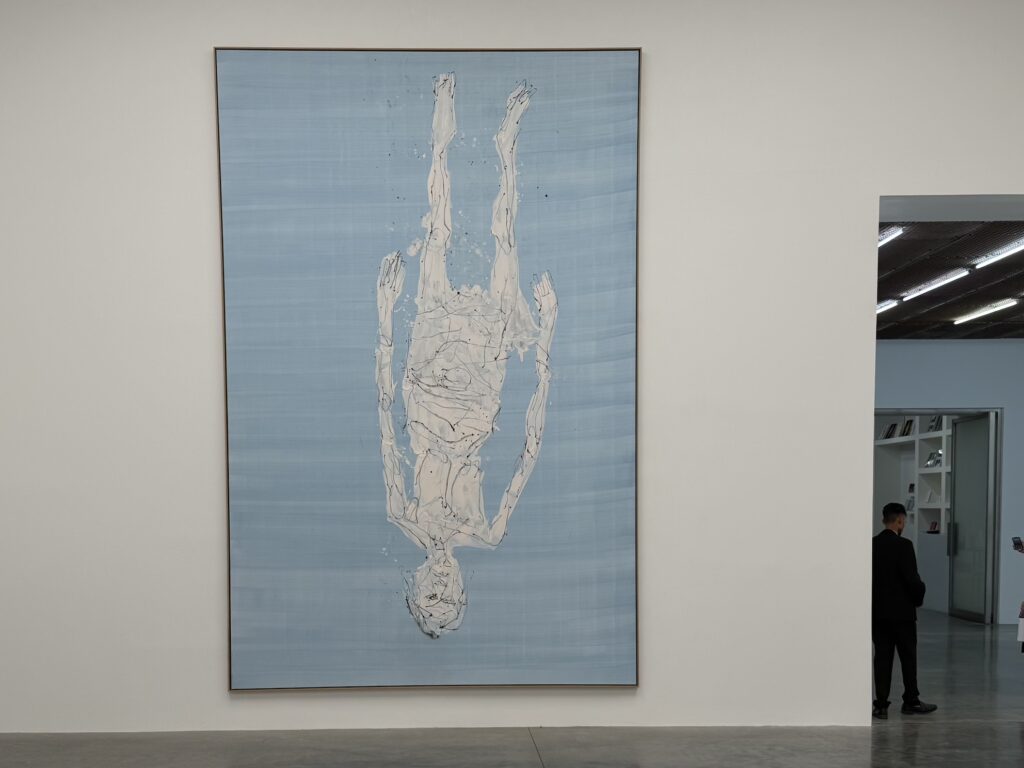
As Back Again draws crowds to London this summer, it stands as a testament to an artist who never stopped pushing boundaries, proving that even at the very end of life, true genius is always ready to reinvent itself.
Leave a Reply