
Art Box portal //
From 25 July to 8 August 2026, Amsterdam is hosting WorldPride, a global event dedicated to the visibility and rights of the LGBTQIA+ community. This year’s programme carries additional significance, marking 25 years since the Netherlands became the first country in the world to legally recognise same-sex marriage. The theme connecting the various programmes and events is Unity, understood as a space for tolerance, connectedness and solidarity.
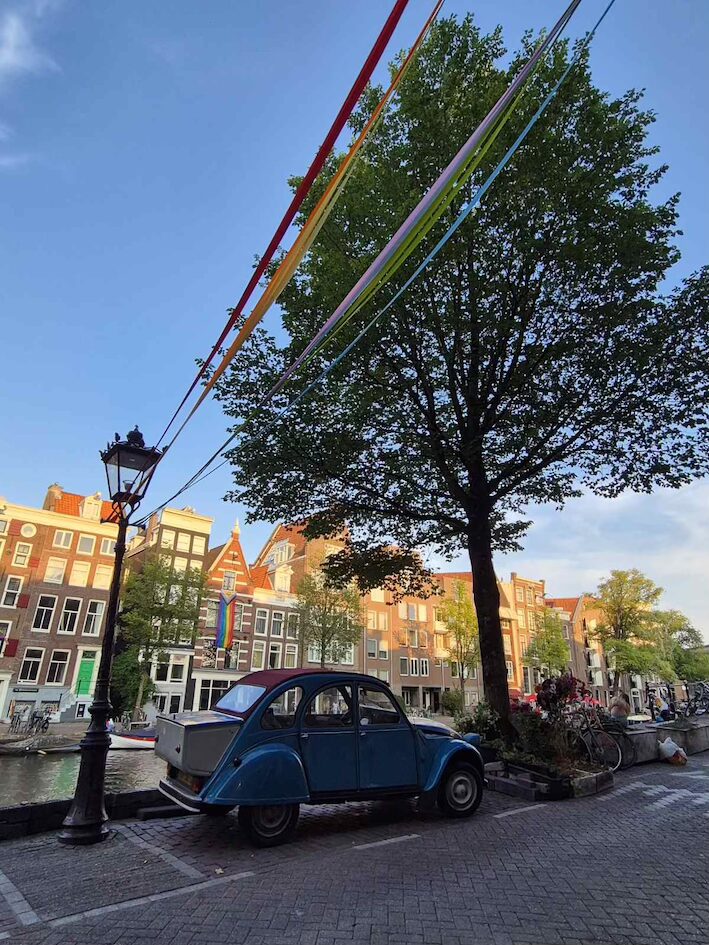
Amsterdam is a city of more than 180 nationalities, with a long history of LGBTQIA+ activism. WorldPride is therefore present not only through major public events and street programmes, but also through museums, galleries, film, performance and other forms of artistic and cultural practice.
This year’s programme demonstrates how queer histories and experiences can be brought into established cultural institutions, while also showing how art can create space for conversations around perspectives that have often remained outside dominant narratives.
Queer Aesthetics in the Streets and Museums
One of the central locations of the WorldPride programme is WorldPride Village at Museumplein, hosting talks, presentations, art and music programmes. Alongside the traditional Canal Parade, held on 1 August, the programme includes a human rights conference, film screenings, theatre performances, street performances and more.
The participation of Amsterdam’s museums is particularly significant. Their collections and programmes have opened up to queer histories, artists and perspectives. In this way, Pride extends beyond the sphere of public spectacle and enters the museum – a space where decisions are made about what is preserved, presented and remembered.
The Stedelijk Museum, for example, is participating with Queer Gaze Tour, an audio tour exploring works by queer artists and queer perspectives represented in the museum’s collection. The tour is intended for Pride visitors, but also for anyone interested in looking at art from perspectives beyond the familiar.
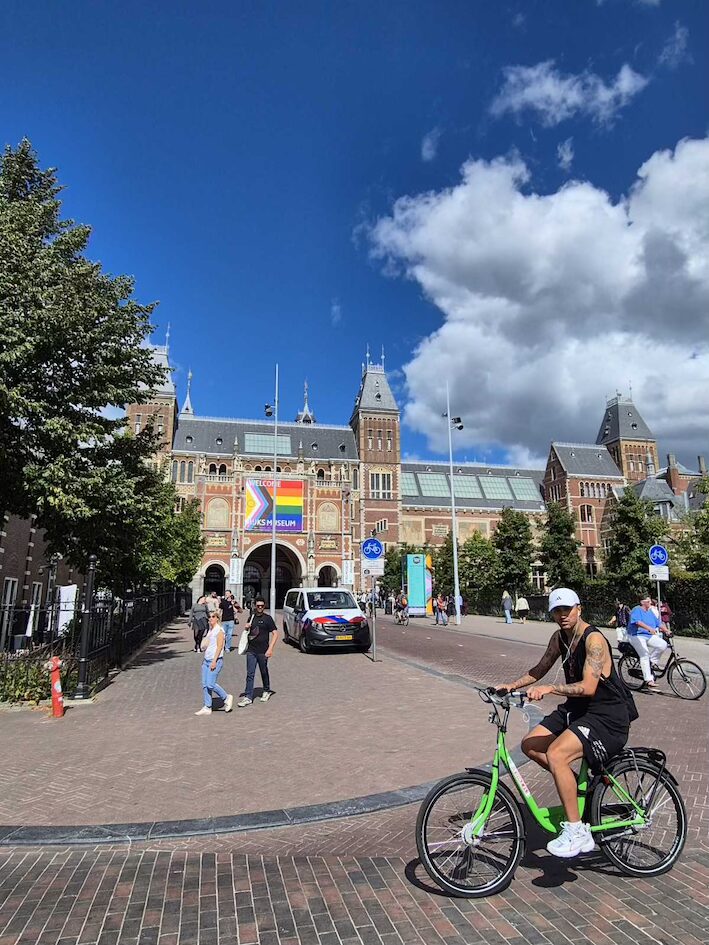
The Rijksmuseum has also prepared a special WorldPride programme combining film, discussions, workshops and engagement with the museum’s collection. One of its central themes is representation: how the stories we tell shape the visibility of different experiences, and what happens when we attempt to move beyond established categories and labels.
A Pink History: Queer History in the Museum Collection
One of the Rijksmuseum’s programmes is the guided tour A Pink History, which explores queer history through works from the museum’s collection, while considering the ways in which sexual and gender identity, expression and experience have been present throughout art history.
This approach is important precisely because it does not present queer history as a separate or parallel history, but places it within a broader cultural and social context.
The Rijksmuseum programme also includes a workshop in which visitors can create self-portraits using charcoal and rainbow make-up, while the exhibition WORN raises questions around clothing, the body, identity, traces of use and the ways objects and garments change over time.
From Spectacle to Institution
WorldPride in Amsterdam thus operates simultaneously as a major public event and as an opportunity to reconsider how cultural institutions represent identity, history and difference.
The participation of museums such as the Stedelijk Museum and the Rijksmuseum demonstrates that questions of queer visibility should not be addressed only in the streets or during the parade, but also within institutions that play a role in shaping cultural memory.
In this context, the theme of Unity can be understood as a question of how different experiences can remain visible and equal without being reduced to a single category or identity.
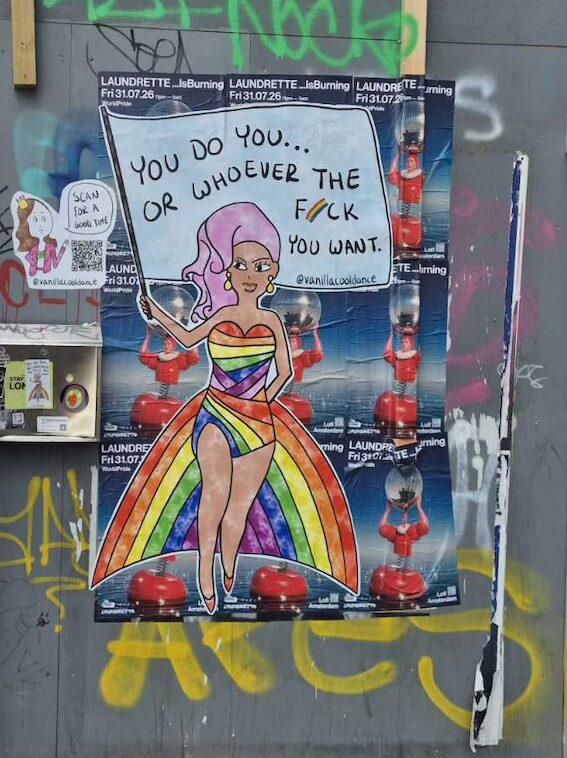
This is where art and activism meet: through decisions about what is exhibited, whose stories are heard, which perspectives enter collections, and how they are discussed.
WorldPride 2026 in Amsterdam therefore leaves us with a question that extends beyond the event itself: how can cultural institutions contribute to making diversity not merely a reason to celebrate, but an integral part of how we understand history, art and society?
Leave a Reply