
Art Box portal //
Located just north of Copenhagen, the Louisiana Museum of Modern Art continues to define what a museum can be when architecture, landscape, and art exist in careful balance. With more than 700,000 visitors annually, it remains Scandinavia’s most visited institution dedicated to modern and contemporary art. Its low, horizontal structure — an iconic example of Danish modernist architecture — unfolds discreetly along the coastline, allowing the surrounding greenery and the sea to become part of the viewing experience.
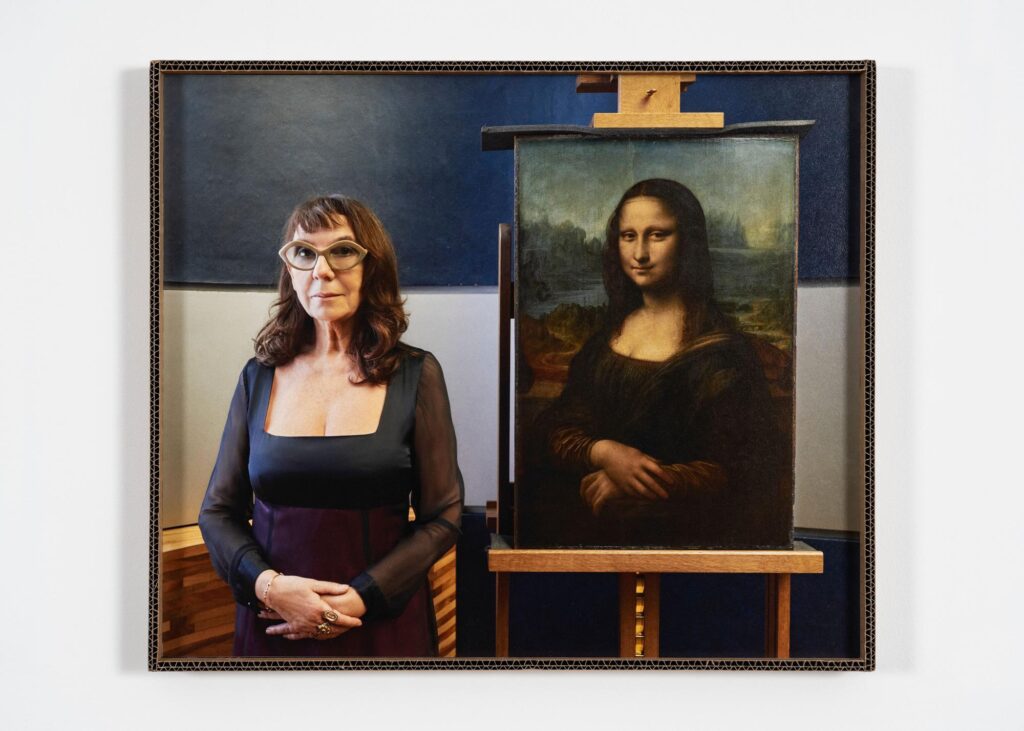
This spring, Louisiana brings together two major solo presentations that shape the season’s program. The exhibition by Sophie Calle (March 26 – September 6, 2026) offers an extensive insight into an artistic practice that, for over five decades, has navigated the shifting terrain between fact and fiction, intimacy and distance. Working with photography and text, Calle (1953) constructs narratives that are at once deeply personal and quietly universal, addressing themes such as love, loss, and vulnerability with a distinctive mix of conceptual rigor, subtle humor, and emotional precision.
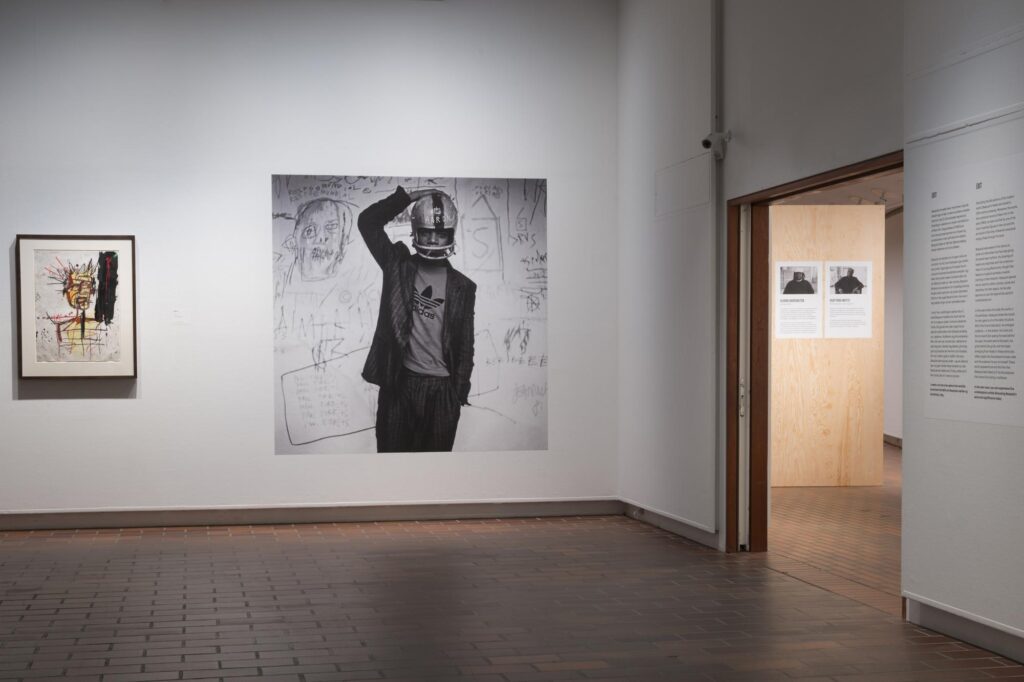
Running in parallel, Basquiat – Headstrong (January 30 – May 17, 2026) focuses on a crucial segment of the work of Jean-Michel Basquiat (1960–1988). Bringing together works on paper from international collections, the exhibition centers on Basquiat’s recurring exploration of the human head. These images—intense, fragmented, and symbolically charged—reveal a sustained inquiry into identity, corporeality, and the cultural forces that shape them. Notably, the exhibition includes works the artist chose to keep during his lifetime, offering a more intimate perspective on his practice.
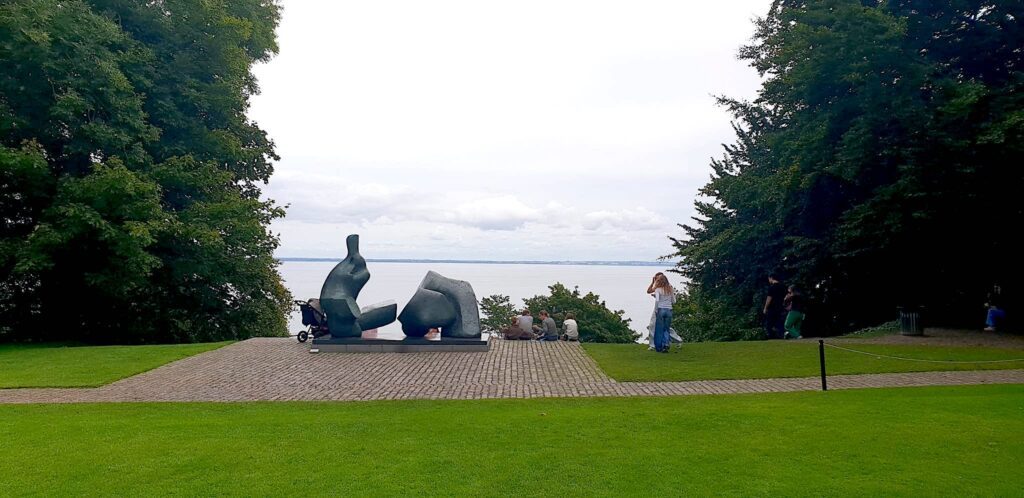
Alongside its exhibition program, Louisiana continues to offer one of the most compelling museum environments in Europe. The Sculpture Park, stretching along the coast, invites a slower engagement with art in open space, while the museum café, overlooking the sea, provides a setting where the Danish notion of “hygge” takes on a distinctly cultural dimension.
Leave a Reply