
Interviwer: Ljiljana Maletin Vojvodić //
Her Excellency Kristin Melsom was appointed as the Ambassador of Norway to Serbia, North Macedonia, and Montenegro in August 2023. She previously served as the Director and Head of the Section for Southeast Europe in the Norwegian Ministry of Foreign Affairs. As a prominent figure in diplomacy, the first female ambassador of the Kingdom of Norway to Serbia — H.E. Ambassador Kristin Melsom — contributes to strengthening gender equality, sustainability, and democratic values that shape contemporary culture and society. For this reason, the key areas of our conversation are: gender equality, Norwegian literature, sustainability, and the green agenda.
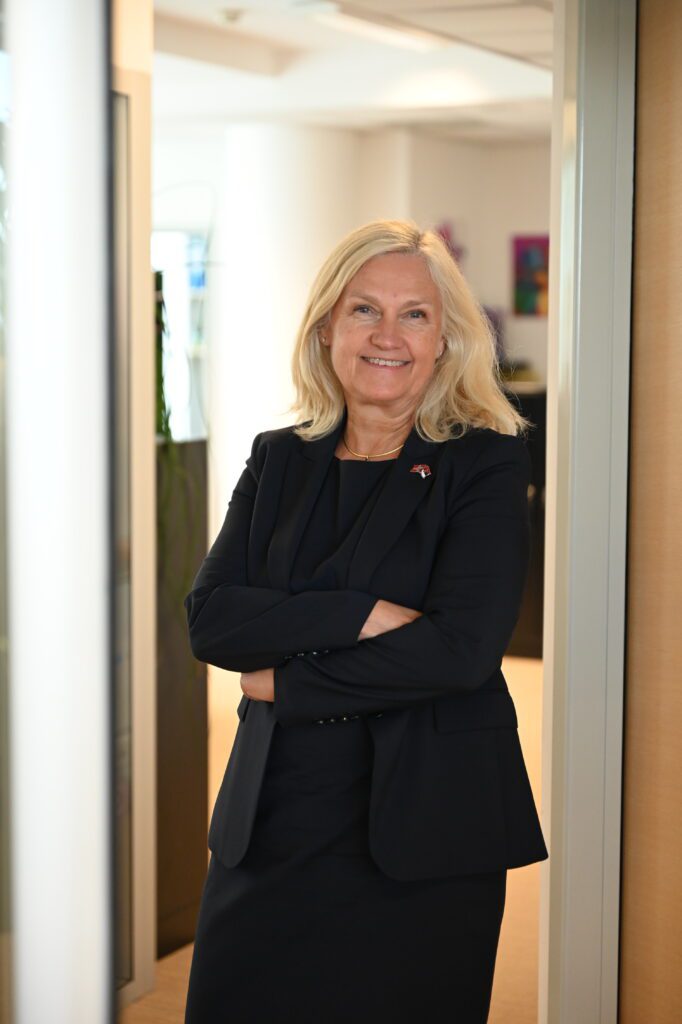
You are the first female Ambassador of the Kingdom of Norway to Serbia. How do you perceive your role in promoting gender equality?
As the first female Ambassador of the Kingdom of Norway to Serbia, I perceive my role in promoting gender equality as both an opportunity and a responsibility. Representing a country renowned for its leadership in gender equality, I strive to lead by example and use my position to advocate for women’s rights and empowerment. This involves fostering dialogue on the importance of gender equality as a cornerstone of sustainable development, democracy, and equality.
My role enables me to highlight Norway’s experiences and successes in achieving greater gender parity, sharing insights that can inspire progress while respecting the unique challenges and contexts of each society. In Serbia, I actively engage with local stakeholders, governments, and civil society organizations to promote initiatives that empower women in education, the workforce, and leadership roles. Internally, I also prioritize creating an inclusive and equitable environment within the embassy, reflecting the values I advocate externally.
By emphasizing how gender equality benefits society, I aim to show that advancing women’s rights is not just a matter of fairness but a key driver of economic growth, social cohesion, and global stability. Through these efforts, I hope to contribute meaningfully to the broader mission of achieving gender equality worldwide.
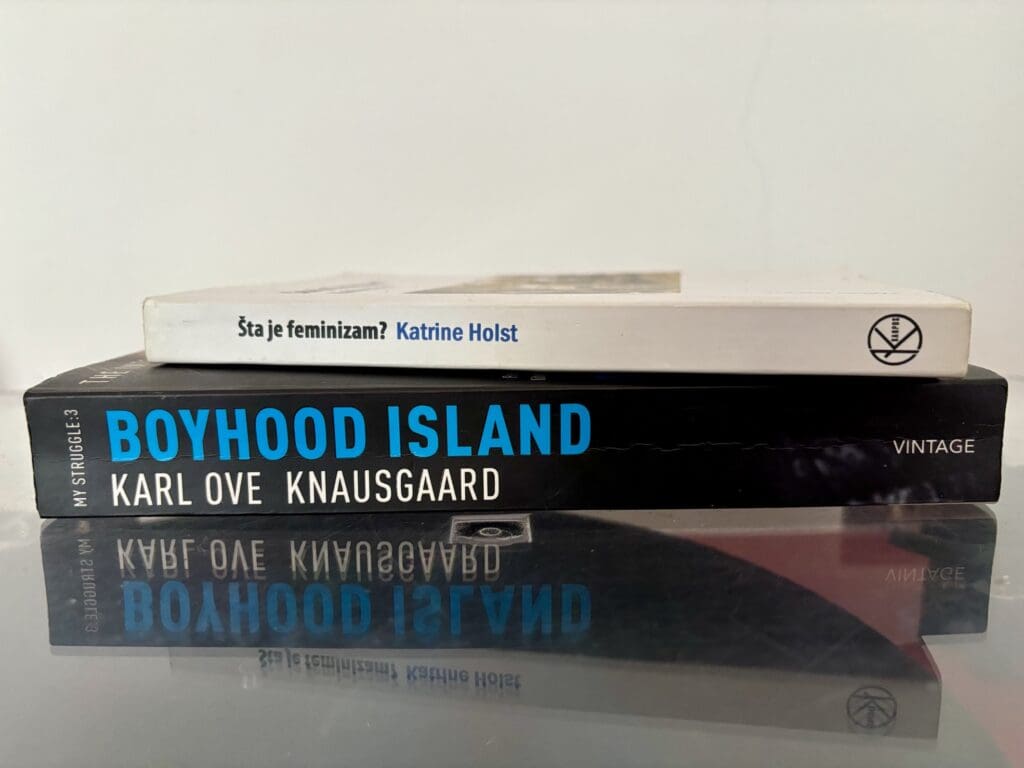
Ibsen’s Nora from A Doll’s House is often cited as a symbol of women’s emancipation. How have Norwegian history and culture contributed to gender equality in Norway?
Henrik Ibsen’s A Doll’s House and its heroine, Nora, resonate deeply with themes of individual autonomy and the defiance of societal expectations, reflecting Norway’s enduring commitment to equality. This cultural emphasis on fairness and individual rights has played a pivotal role in shaping Norway’s approach to gender equality.
Norway`s transformation from an agrarian society to an industrialized democracy created opportunities for women to participate in the workforce, fostering greater economic independence. Early milestones, such as granting all women the right to vote in 1913, demonstrated Norway’s progressive stance and solidified women’s role in shaping society.
Post-war welfare policies significantly advanced gender equality by addressing systemic barriers. Universal healthcare, subsidized childcare, and generous parental leave enabled women to balance professional and personal responsibilities. In 1981, Norway introduced gender quotas for boards of directors, and in 2023, this commitment was reinforced with new legislation requiring at least 40% representation of each gender on boards of large and medium-sized companies, to be phased in over the coming years. These measures highlight Norway’s dedication to gender balance in corporate governance.
Underlying these developments is a deeply ingrained cultural value of equality, which permeates all aspects of Norwegian life. This combination of historical progress, robust policy frameworks, and egalitarian social norms has made gender equality a defining characteristic of modern Norway, both in practice and as a core national value.
Gender issues are a constant work in progress. What specific measures and initiatives does the Kingdom of Norway implement to empower women, and how can these experiences be transposed to the Serbian context?
Gender equality has been a cornerstone of Norwegian society, achieved through comprehensive policies and initiatives aimed at empowering women in all sectors. Key measures include generous parental leave, subsidized childcare, gender quotas in political and corporate leadership, and programs addressing gender-based violence and workplace discrimination. Collaboration between government, civil society, and the private sector has been essential in fostering a culture of equality.
While Norway and Serbia have distinct cultural and societal contexts, aspects of Norway’s approach could inspire Serbia’s efforts. For instance, expanding access to affordable childcare and promoting shared family responsibilities could further support women in achieving a balance between professional and personal roles. However, adapting these strategies require a thoughtful understanding of local circumstances and active engagement with stakeholders. Norway’s experience underscores the importance of partnerships and cultural sensitivity in crafting sustainable and inclusive solutions.
I would like to mention some concrete projects that we supported in Serbia lately. For instance, we worked on “Gender in Security Sector Reform” together with SEESAC, then “Improving position of women in rural areas” together with UN WOMEN and the Commissioner for protection of family, and we had several projects through Smart Balkans program.
Generally speaking, Serbia has achieved effective gender balance in the public administration, including in top managerial positions with 48% women and 52% men. On the other hand, the very few support services for gender-based violence are predominantly run by CSOs and operate on a limited budget. The transparency and fairness of public funding in this area needs to be significantly improved,
I would also like to mention that the Ombudsman has requested the review of the constitutionality of gender-sensitive language in the Law on gender equality, in the context of a wider backlash against this law. The Law on gender equality and the Law on the prohibition of discrimination were aligned with the EU acquis in 2021 but need to be further aligned with European standards. In June 2024, the Constitutional Court suspended the adoption of certain acts deriving from this law, notably on gender-sensitive language, until the completion of the constitutionality assessment process. There is a risk to have a detrimental impact on the application of the Law on gender equality in its entirety and undermine the progress achieved so far.
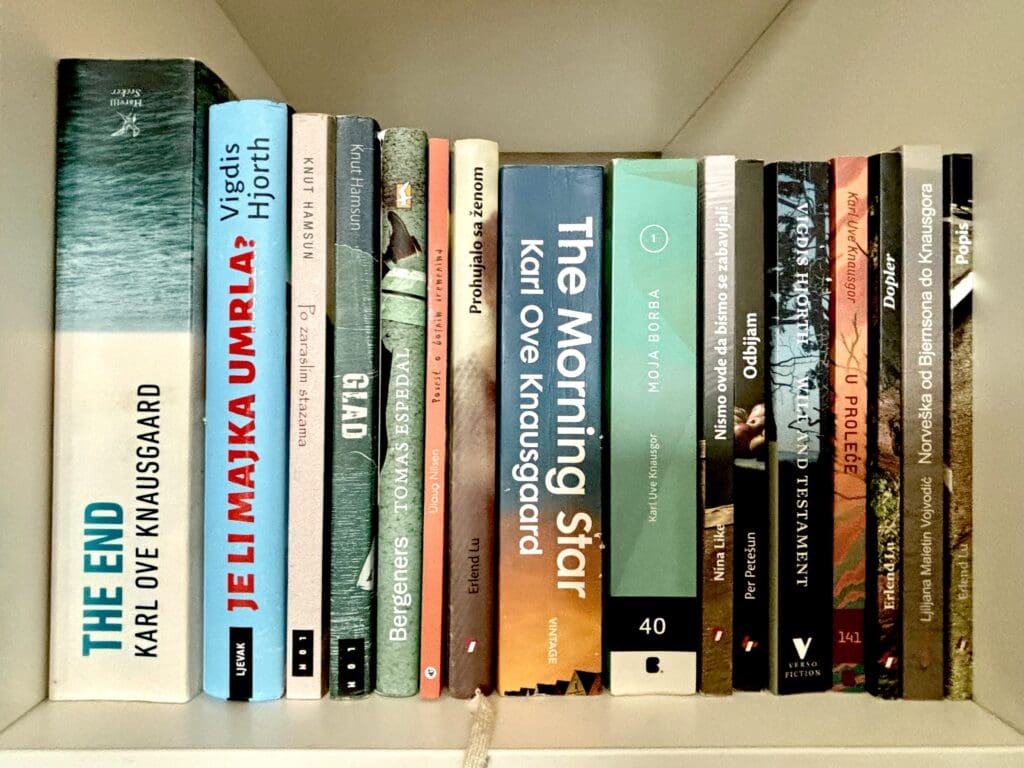
Serbian writers, such as Isidora Sekulić or Miloš Crnjanski, have been fascinated by the North. Norwegian authors: Henrik Ibsen and Knut Hamsun, as well as contemporary authors such as Jon Fose, Karl Ove Knausgård, Nina Lykke, Vigdis Hjort, or Erlend Loe, are translated into Serbian. Do you believe that literature serves as an important bridge between Norway and Serbia that influences mutual cultural relations?
Absolutely, literature plays a vital role in fostering cultural connections between Norway and Serbia, acting as a bridge that deepens mutual understanding and appreciation. Serbian writers like Isidora Sekulić and Miloš Crnjanski, captivated by the North’s landscapes and ethos, illustrate how Norway has inspired Serbian literary thought. At the same time, the translation of Norwegian authors such as Henrik Ibsen, Knut Hamsun, and contemporary voices like Karl Ove Knausgård, Nina Lykke, Vigdis Hjorth, and Erlend Loe introduces Serbian readers to Norway’s literary heritage and contemporary culture.
Through literature, both countries share their histories, philosophies, and values, transcending geographic and cultural differences. Norwegian literature often explores themes like individuality, nature, and existential questions, resonating with universal human experiences that Serbian readers can relate to. Conversely, Serbian literature offers Norwegian readers insight into the Balkans’ rich cultural and historical landscape, contributing to a reciprocal exchange of ideas and perspectives.
This ongoing literary dialogue strengthens cultural ties and enriches the relationship between Norway and Serbia, fostering mutual respect and curiosity. Literature not only entertains but also inspires, encouraging dialogue and understanding that extend beyond the written word into broader cultural and diplomatic relations.
Norway is recognized as a leader in sustainable development and environmental protection. In what ways can Norwegian experiences be applied in Serbia?
I believe that Norway’s leadership in sustainable development and environmental protection can offer some valuable insights for Serbia. Our expertise in renewable energy, particularly hydropower, could support Serbia’s transition to cleaner energy sources, while collaboration on solar and wind energy projects can further diversify its energy mix. Norway’s efficient waste management systems, such as recycling programs and circular economy models, provide a framework for reducing waste and promoting resource reuse. We also emphasize the importance of robust environmental governance, with policies like carbon taxation and strict emissions targets serving as examples for aligning with EU standards. Public awareness and youth engagement are key to building a culture of sustainability, and we believe Norway’s experience in these areas can inspire similar initiatives in Serbia.
Through partnerships in several ongoing development projects, we are working together to address climate challenges and support Serbia’s path toward a sustainable and resilient future. Let me mention several current projects.
Nordic green – cooperation financed by the Nordic Council of Ministers Nordic embassies promote sustainable practices from their region in Serbia and the Western Balkans. We had series of events on circular economy and now we are planning more events on sustainable cities. Norway through regional project implemented by UNOPS supports administration in the WB6 region to align with EU legislation and standards, mostly in the area of energy. Also, through the regional program called SMART Balkans, Norway supports civil society organizations in providing oversight and assistance to decision makers in adopting sustainable development and environmental protection practices, but also to media, citizens and youth to better understand and adopt these values.
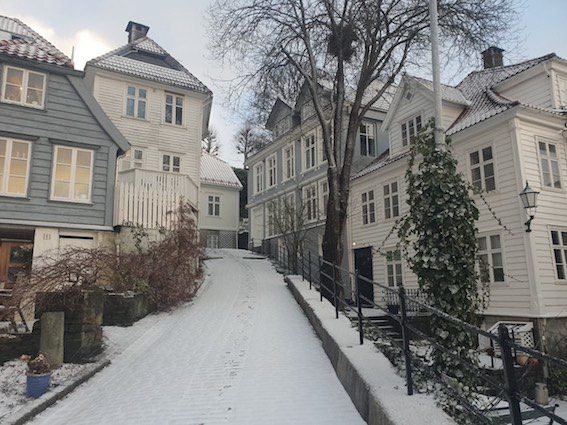
The phenomenon of “dugnad“ in Norway represents collective actions for the common good. To what extent does the Kingdom of Norway implement such a concept in an international context, particularly in Serbia?
The Norwegian concept of “dugnad” is deeply embedded in our national identity and extends beyond our borders into our international engagement. In Serbia, this principle is reflected in Norway’s approach to development cooperation, which emphasizes partnership, mutual respect, and shared responsibility in addressing common challenges. Through initiatives and targeted support for civil society, environmental protection, and governance reforms, we aim to foster inclusive and sustainable growth.
Just as dugnad relies on everyone contributing their share, Norway’s approach in Serbia prioritizes collaboration with local stakeholders, recognizing their expertise and leadership. By working together on projects that strengthen institutions, promote human rights, and advance green transition, we uphold the values of collective responsibility and solidarity that define dugnad, adapting them to an international context.

How do you assess the current cultural relations between Norway and Serbia, and which areas do you consider key for further cooperation and improvement of relations between the two countries?
Cultural relations between Norway and Serbia are extensive, characterized by mutual respect and active engagement. Both nations have established platforms to promote cultural exchange and foster deeper understanding. The Royal Norwegian Embassy in Belgrade plays a significant role in these efforts, actively promoting Norwegian culture through events featuring Norwegian artists and facilitating collaborations with Serbian counterparts. Similarly, the Serbian Embassy in Oslo organizes initiatives such as Serbian Culture Day, which showcases Serbian traditions and strengthens ties with the Norwegian public. These exchanges are further complemented by academic collaborations, such as the University of Belgrade’s programs in Scandinavian languages and literature, which reflect a shared commitment to fostering cultural and educational connections.
To enhance these relations further, there are several areas that hold significant potential for deeper cooperation. Joint artistic projects, literary translations, and exchanges between authors can promote greater appreciation of each other’s cultural heritage. Collaborations in music and performing arts, including shared performances and workshops, can enrich the cultural landscapes of both nations. Film and media also offer promising opportunities, with co-productions and film festivals providing a platform to showcase each other’s cinematic achievements.
Expanding educational programs, such as language courses and student exchanges, is another key area that could strengthen ties and deepen mutual understanding. Furthermore, cooperation in preserving cultural heritage, through sharing expertise and best practices, can benefit both countries by ensuring their rich histories are preserved for future generations. By focusing on these areas, Norway and Serbia can continue to build on their strong cultural relationship, fostering even deeper
Leave a Reply